Exploring Military Legal Representation and Defense With Fortis Military Defense
Military legal matters require specialized defense. Understand your rights, legal protections, and the role of Fortis Military Defense in complex cases.
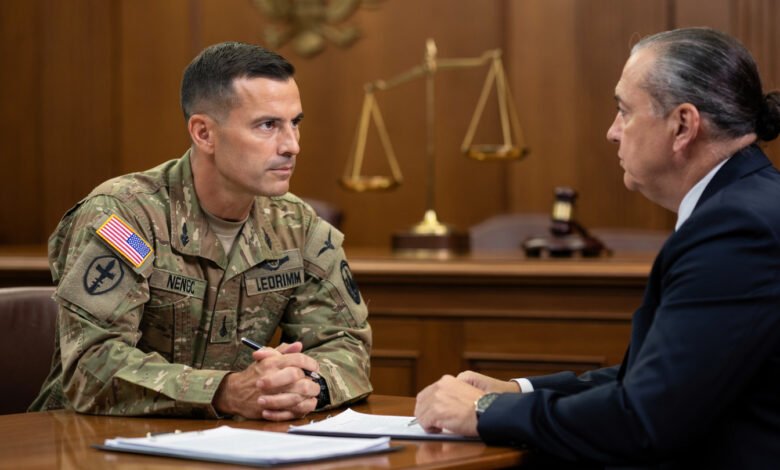
Military service comes with unique responsibilities, and members of the armed forces are held to standards that differ from those in civilian life. Because of these differences, legal matters involving military personnel require specialized knowledge of military law and procedures. Whether facing disciplinary action, criminal allegations, administrative separation, or other legal concerns, understanding the role of Fortis Military Defense can help service members make informed decisions during challenging situations.
Military legal issues often involve complex regulations that are unfamiliar to those outside the armed forces. Learning how military defense works and what legal protections are available can make the process easier to understand.
What Is Military Defense?
Military Defense refers to legal representation focused on defending military service members who are involved in matters governed by military law. Unlike civilian criminal cases, military legal proceedings follow the Uniform Code of Military Justice (UCMJ), a separate legal system that establishes criminal offenses, disciplinary procedures, and trial processes for members of the military.
Military defense attorneys assist clients by reviewing evidence, explaining legal rights, preparing defense strategies, and representing service members during investigations, hearings, and court-martial proceedings when necessary.
These legal professionals understand both military regulations and courtroom procedures, making them uniquely qualified to handle cases involving military personnel. Get Trusted Legal Guidance from Fortis Military Defense.
Understanding the Uniform Code of Military Justice
How Military Law Differs from Civilian Law
The UCMJ governs legal conduct across all branches of the U.S. Armed Forces. While many offenses resemble civilian crimes, military law also addresses conduct specific to military service, including:
- Absence without leave (AWOL)
- Failure to obey lawful orders
- Conduct unbecoming an officer
- Dereliction of duty
- Fraternization
- Certain security-related violations
Because military discipline directly affects unit readiness and national defense, legal procedures often differ from those used in civilian courts.
The Military Justice Process
Military cases may begin with an investigation by military authorities. Depending on the evidence, a case may proceed through administrative actions, non-judicial punishment, or a court-martial.
Throughout each stage, understanding legal rights and available options is essential.

Situations Where Military Defense Representation May Be Important
Military personnel may seek legal representation for a variety of situations beyond criminal allegations.
Common examples include:
Court-Martial Proceedings
A court-martial functions similarly to a criminal trial but follows military law. Depending on the severity of the alleged offense, penalties may include confinement, reduction in rank, forfeiture of pay, or discharge from military service.
Legal representation helps ensure procedural rights are protected throughout the process.
Administrative Separation
Not every military legal issue results in criminal charges. Administrative separation proceedings determine whether a service member should remain in the military.
Representation can help individuals understand the process, present supporting evidence, and respond appropriately to the allegations involved.
Investigations
Military investigations often occur before any formal charges are filed. During this stage, service members may have important legal rights regarding interviews, statements, and evidence collection.
Receiving legal guidance early may help individuals better understand the process before making important decisions.
Why Specialized Military Legal Knowledge Matters
Military law contains procedures and terminology that differ significantly from civilian legal systems.
For example, military attorneys understand:
- Court-martial procedures
- Military investigative agencies
- Rules of military evidence
- Administrative boards
- Service-specific regulations
- Military appellate procedures
This specialized knowledge allows legal counsel to interpret military regulations that may directly affect the outcome of a case.
Protecting Legal Rights Throughout the Process
Every service member is entitled to certain legal protections under military law.
These protections may include:
- The right to remain silent under appropriate circumstances
- The opportunity to consult with legal counsel
- The right to review evidence in many proceedings
- The ability to present witnesses and evidence
- The opportunity to challenge evidence presented by the government
Understanding these rights can help reduce uncertainty during legal proceedings.
Those seeking more information about military legal protections can review resources provided by the Judge Advocate General’s Corps (JAG) and the Uniform Code of Military Justice, both of which explain military legal procedures and service member rights.
Choosing Qualified Military Legal Representation
Selecting legal counsel familiar with military law is an important consideration for service members facing legal challenges.
When evaluating military defense representation, individuals often consider factors such as:
Experience With Military Cases
Military legal matters involve unique procedures that differ from civilian litigation. Experience handling court-martial cases, administrative hearings, and military investigations can provide valuable insight.
Understanding Military Culture
Military attorneys who understand military operations, command structures, and service regulations are often better equipped to explain legal issues within the broader context of military service.
Clear Communication
Legal terminology can be overwhelming, especially for individuals unfamiliar with legal proceedings. Effective legal representation includes explaining complex concepts in clear, understandable language.
Common Misconceptions About Military Defense
Several misconceptions surround military legal representation.
“Military Cases Are Exactly Like Civilian Cases”
While there are similarities, military courts operate under different rules, procedures, and standards established by the UCMJ.
“Only Criminal Charges Require Legal Representation”
Legal guidance may also be valuable during investigations, administrative actions, discharge proceedings, or other military-related legal matters.
“Military Defense Only Applies During Active Service”
Certain legal issues may continue after separation, including appeals or matters related to military records, depending on the circumstances.
Conclusion
Military legal matters involve a distinct legal system designed to address the unique responsibilities of military service. Whether dealing with investigations, administrative proceedings, or court-martial cases, understanding how Fortis Military Defense supports service members can make complex legal processes easier to navigate.