Reasons for Migration: Understanding Why People Move Across Borders
Explore the key reasons for migration, including economic, social, political, and environmental factors, and understand their impact on people and societies.
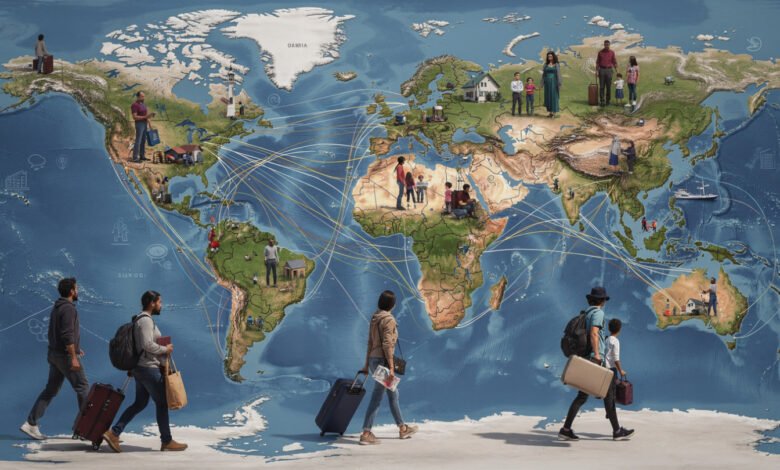
Migration has been a part of human history for centuries. People move from one place to another for a variety of personal, economic, social, and environmental reasons. Whether relocating within a country or crossing international borders, migration often represents a significant life decision that can impact individuals, families, and communities.
Understanding the Reasons for Migration helps provide insight into global population movements and the challenges and opportunities that come with them. While every person’s situation is unique, many migrations are driven by a combination of factors rather than a single cause.
What Is Migration?
Migration refers to the movement of people from one location to another, either temporarily or permanently. It can occur within national borders, known as internal migration, or between countries, known as international migration.
People may migrate voluntarily in search of better opportunities, or they may be forced to move due to circumstances beyond their control, such as conflict or natural disasters. Explore Common Reasons People Choose to Migrate.
Major Reasons for Migration
There are several common factors that encourage people to leave their homes and establish themselves elsewhere.
Economic Opportunities
One of the most common reasons people migrate is the pursuit of better economic opportunities. Individuals often move to areas where jobs are more readily available, wages are higher, or career advancement is possible.
Many workers relocate to major cities or foreign countries seeking employment that can improve their standard of living. In some cases, migration allows individuals to support family members through remittances, which are funds sent back to relatives in their home country.
Economic migration can also occur when local industries decline, making it difficult for residents to find stable employment.
Education and Professional Development
Access to quality education is another significant migration factor. Students may move to different cities or countries to attend universities, specialized training programs, or research institutions.


Educational migration often provides opportunities for personal growth, skill development, and improved career prospects. Many graduates choose to remain in their destination country after completing their studies if employment opportunities are available.
Social and Family Reasons
Family connections frequently influence migration decisions.
Family Reunification
Many countries have immigration pathways that allow family members to join relatives who have already settled abroad. Spouses, children, parents, and other eligible relatives may migrate to maintain family unity and support networks.
Family reunification policies recognize the importance of keeping families together and can play a major role in international migration patterns.
Marriage and Relationships
Marriage or long-term partnerships often lead individuals to relocate. In these situations, migration is motivated by the desire to build a life with a partner in a shared location.
Such moves may involve adjusting to a new culture, language, and legal system, making preparation and understanding local requirements especially important.
Political and Safety Concerns
Not all migration is voluntary. Some individuals leave their homes because remaining is unsafe.
Conflict and War
Armed conflicts, civil unrest, and political instability can force people to flee their communities. Refugees and asylum seekers often migrate to escape violence, persecution, or threats to their safety.
International laws provide certain protections for individuals who cannot safely return to their home countries due to well-founded fears of persecution.
Human Rights and Freedom
People may also migrate to seek greater personal freedoms, including freedom of speech, religion, or political expression. In some cases, restrictive government policies or discrimination can motivate individuals to seek a safer and more inclusive environment elsewhere.
Environmental Factors
Environmental changes have become increasingly important migration drivers in recent years.
Natural Disasters
Earthquakes, hurricanes, floods, wildfires, and other natural disasters can displace large populations. When homes, infrastructure, and livelihoods are destroyed, people may have little choice but to relocate.
Some migrations are temporary while communities rebuild, but others become permanent if conditions remain unsafe.
Climate Change
Long-term environmental challenges such as rising sea levels, droughts, and changing weather patterns can affect agriculture, water supplies, and living conditions. As climate-related pressures increase, more people may move to regions that offer greater stability and resources.
Healthcare and Quality of Life
Access to healthcare and an improved quality of life can also influence migration decisions.
Individuals may relocate to areas with better medical facilities, specialized treatments, or healthcare systems. Families often consider factors such as public services, housing, transportation, and overall community safety when deciding where to live.
For many migrants, the goal is not only economic improvement but also greater well-being and future opportunities for their children.
Push and Pull Factors in Migration
Migration experts often describe movement through the concepts of “push” and “pull” factors.
Push Factors
Push factors are circumstances that encourage people to leave their current location. Examples include:
- Unemployment
- Poverty
- Political instability
- Armed conflict
- Environmental disasters
- Limited educational opportunities
Pull Factors
Pull factors attract people to a new destination. Examples include:
- Better employment prospects
- Higher wages
- Quality education
- Family connections
- Political stability
- Improved healthcare services
In many situations, migration occurs because push and pull factors work together. For example, a person may leave an area with limited job opportunities while simultaneously being attracted to a region with a strong labor market.
The Impact of Migration
Migration affects both migrants and the communities involved. Receiving regions may benefit from cultural diversity, workforce growth, and new skills. At the same time, migrants often contribute economically and socially to their new communities.
However, migration can also present challenges, including language barriers, cultural adjustment, housing needs, and legal requirements. Understanding these challenges helps governments and organizations create policies that support successful integration.
Those interested in learning more about migration trends and policies can review resources provided by organizations such as the International Organization for Migration and the United Nations.
Conclusion
The Reasons for Migration are diverse and often interconnected. Economic opportunities, education, family reunification, political stability, environmental conditions, and quality-of-life considerations all play important roles in migration decisions.